
Coating ink additive professional manufacturer
No.160-11,Xiangyuan Road,Jingjin Science and Technology Valley Inductrial Park,Wuqing District,Tianjin Province,China
jeffrey@rk-chem.com
+86 18526852692
During the baking and curing process of coil coatings (including steel and aluminum coil systems), the crosslinking reaction between amino resins (such as hexamethoxymethylmelamine, HMMM) and hydroxyl-functional polyester or acrylic resins is the fundamental chemical process that establishes film hardness, chemical resistance, and flexibility.
To achieve complete crosslinking within a rapid 15-to-30-second high-temperature cure cycle (Peak Metal Temperatures, PMT, reaching 216 - 249℃), highly active strong acid catalysts are essential. However, unblocked strong acids often cause premature crosslinking during room-temperature storage, leading to viscosity spikes or gelling in the can. Furthermore, unmanaged acid values or catalyst residues can trigger side reactions with alkaline fillers (such as calcium carbonate), compromising long-term weatherability.
This article explores the selection logic of acid catalysts in coil coatings, analyzes the deep impacts of acid value and film residues, outlines critical formulation precautions, and introduces RT-3011, a blocked dinonylnaphthalene disulfonic acid (DNNDSA) catalyst (direct drop-in replacement for X49-110, Nacure® 3525, 3327, 3483, and B-cat 4910)
The molecular structure (sulfonic acid type) and blocking state of an acid catalyst directly dictate its catalytic activity, water resistance, and in-can stability:
[Strong Acid Catalyst Classification]
├── 1. Para-Toluene Sulfonic Acid (PTSA) ──► High polarity, fast cure, but poor water/salt spray resistance
├── 2. Benzene Sulfonic Acid (BSA) ──► Intermediate activity between PTSA and DDBSA
├── 3. Dodecylbenzene Sulfonic Acid (DDBSA) ──► Long carbon chain, excellent water/corrosion resistance; widely used in topcoats
└── 4. Dinonylnaphthalene Disulfonic Acid (DNNDSA) ──► Dual naphthalene ring + dual sulfonic acid structure; exceptional barrier & salt spray resistance
Unblocked Acids: Free sulfonic acids trigger crosslinking immediately upon mixing. While extremely reactive, they offer virtually no shelf life, cause in-can gelling, and react prematurely with basic pigments (e.g., titanium dioxide or anti-corrosive pigments).
Amine-Blocked Acids: Volatile amines (such as tertiary amines or isopropanolamine) temporarily neutralize the sulfonic acid groups. They remain inert at room temperature, ensuring extended in-can stability. During oven baking, as the metal substrate heats up, the amine volatilizes, unblocking the active sulfonic acid to catalyze crosslinking instantaneously.
Among all strong acid catalysts, dinonylnaphthalene disulfonic acid (DNNDSA) is considered the premium gold standard for high-end coil coatings and automotive baking enamels due to its bulky, highly hydrophobic dual-naphthalene ring structure
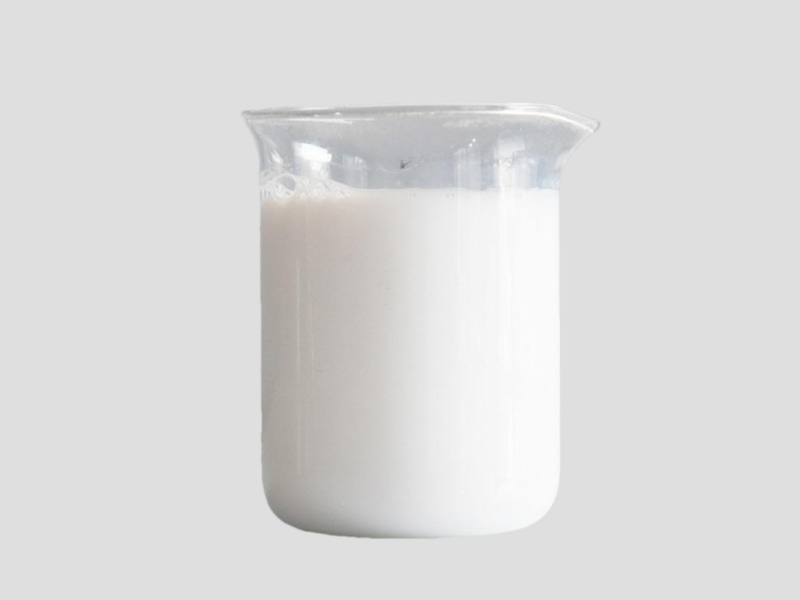
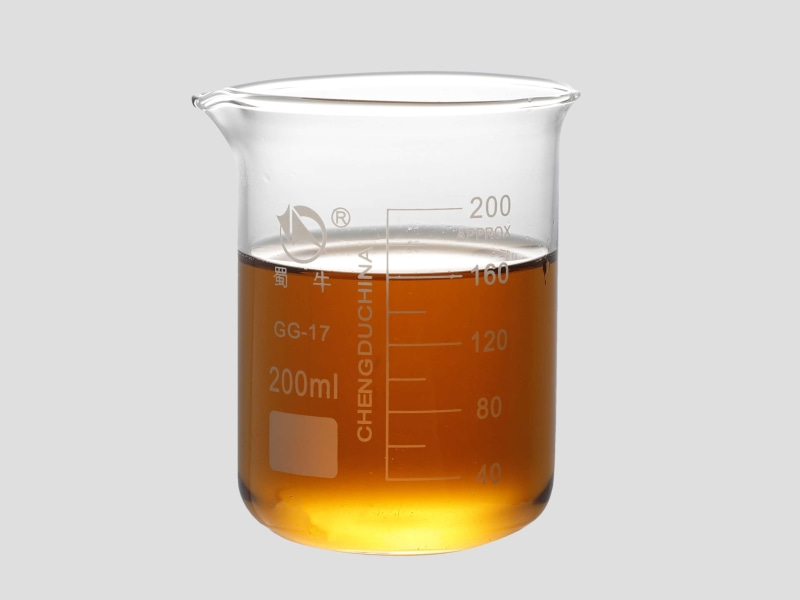
Tianjin Ruikel Chemical Co., Ltd. supplies RT-3011, a high-purity blocked dinonylnaphthalene disulfonic acid (DNNDSA) catalyst (CAS: 602223-95-2)
[Room Temperature Storage] ──► Amine blocking agent locks DNNDSA; system pH maintains 6.5–7.5; shelf life extended > 12 months
│▼[Baking Unblocking Phase] ──► As PMT reaches > 130°C, volatile amine evaporates, unblocking the active strong acid
│▼[High Crosslinking & Film] ──► Bulky hydrophobic dual-naphthalene structure integrates into film network for superior salt spray & boiling water resistance
Technical Parameter | RT-3011 Specifications | International Benchmarks |
Chemical Composition | Blocked Dinonylnaphthalene Disulfonic Acid (DNNDSA) | King Industries Nacure® 3525 / 3327 / 3483 / X49-110 B-cat 4910 |
CAS Number | 602223-95-2 | 602223-95-2 |
Solid Content | 50 - 53% | 50 - 53% |
pH Value | 6.5 - 7.5 | Neutral blocked form |
Acid Value | 55 - 65mg KOH/g | 55 - 65mg KOH/g |
Primary Applications | Steel and aluminum coil coatings, automotive baked enamels, industrial baked enamels | Coil coatings, automotive OEM coatings, high-end industrial baking finishes |
In coil coating and baking enamel formulations, acid value (expressed as mg KOH/g) is a critical metric for evaluating the chemical activity of acid catalysts and resin systems. Managing acid values before and after curing is vital for eliminating surface defects and boosting long-term outdoor weatherability.
Catalyst Intrinsic Acid Value:For example, RT-3011 (blocked DNNDSA) has a supplied acid value of 55 - 65mg KOH/g. A balanced acid value ensures that upon unblocking, sufficient protonic acid concentration is released to immediately activate the methylol ether bonds of amino resins, completing crosslinking within 15 to 30 seconds at peak metal temperatures (216 - 249℃).
Hazards of Excessive Unblocked Acid Value:If unblocked acids or improperly blocked catalysts are used, an excessively high free acid value causes premature micro-crosslinking during room-temperature storage. This manifests as continuous in-can viscosity build, uncontrollable pseudoplasticity, or complete batch gelling.
After high-temperature baking and crosslinking, the catalyst structure does not disappear. Catalyst residues remaining in the crosslinked matrix can impact long-term film durability:
Water Resistance & Osmotic Blistering:If hydrophilic small-molecule acids (such as traditional PTSA) or excess free acids are used, ionic acid residues remain inside the film, creating polar micro-regions. Under prolonged outdoor rainfall or high-humidity conditions, moisture migrates toward these residual acid sites via osmotic pressure, causing early blistering, loss of gloss, or adhesion failure.
Molecular Advantage of RT-3011 (DNNDSA):Because RT-3011 incorporates a bulky dinonylnaphthalene hydrophobic backbone, the catalyst residue anchored within the crosslinked network acts as an umbrella, repelling moisture penetration. Even after hundreds of hours of salt spray testing, films cured with RT-3011 show zero corrosion degradation from catalyst residues.
In coil primers or economical coil topcoats, calcium carbonate (CaCO3) is frequently added to reduce costs or adjust sandability. Interactions between acid catalysts and alkaline fillers must be carefully managed:
Acid-Base Neutralization & Catalyst Deactivation:Calcium carbonate is a basic inorganic salt. If unblocked free acids are present during liquid storage, they react directly with carbonate ions on filler surfaces, forming calcium salts and releasing CO2 gas bubbles. This consumes the acid catalyst, resulting in under-curing, soft film surfaces, and poor solvent resistance.
Post-Cure Filler Degradation & Chalking:In cured films containing residual unreacted acid, moisture migration slowly drives acid ions toward micro-pores, triggering a slow microscopic reaction with calcium carbonate fillers:
CaCO3 + 2H+→Ca2+ + H2O+ CO2↑
This ongoing acid-base attack weakens the filler-resin interface, inducing micro-cracking, severe weatherability degradation, and premature chalking.
Formulation Best Practices:
Utilize high-purity, neutrally blocked catalysts like RT-3011 (pH 6.5–7.5)
Control the surface treatment of fillers (titanium dioxide and calcium carbonate), and perform accelerated stability tests (54℃ for 14 days) in the lab to monitor viscosity and pH stability.
Superior Salt Spray & Boiling Water ResistanceThe hydrophobic dual-naphthalene rings in DNNDSA provide a barrier that blocks water vapor and chloride ions, significantly enhancing corrosion resistance at cut edges (T-bend area) and cross-hatch scribes.
Outstanding In-Can StabilityEngineered with precise amine-blocking technology (pH 6.5–7.5), RT-3011 delivers excellent room-temperature shelf stability without viscosity drifting or premature reaction with anti-corrosive pigments
Elimination of Surface Defects (Anti-Popping & Anti-Wrinkling)Unlike unblocked acids that cause rapid surface skinning (trapping solvents and causing pops), RT-3011 provides a smooth, progressive unblocking curve. Solvents evaporate cleanly before the crosslinking matrix closes, effectively preventing pinholes, solvent popping, and micro-wrinkles.
Seamless Drop-In ReplacementRT-3011 matches X49-110, Nacure® 3525, 3327, 3483, and B-cat 4910 in solid content, acid value, and unblocking temperature range, allowing formulators to optimize raw material costs without changing existing formulas
Dosage & Blending Strategies
Recommended dosage is 0.5% - 2.0%$ as supplied on total resin solids.
For coil primers demanding extreme anti-corrosion, RT-3011 (DNNDSA) can be blended with DDBSA-type catalysts to balance cure speed with T-bend flexibility.
Co-Solvent & Alcohol Inhibitor Synergy :Adding 1% - 3% low-boiling alcohol solvents (such as isopropanol or isobutanol) creates a synergistic stabilizing effect with the blocking amine, further extending in-can stability during hot summer storage.
Peak Metal Temperature (PMT) Alignment:RT-3011 unblocks in the temperature range of 130 - 250℃. Ensure the peak metal temperature (PMT) in high-speed coil ovens reaches at least 216℃ for complete amine volatilization and maximum catalytic activity.
Selecting the right blocked acid catalyst is essential for achieving both fast cure speeds and long in-can shelf life in coil coatings and industrial baking enamels. Ruike Chemical's RT-3011 (Blocked DNNDSA) offers high barrier corrosion resistance, acid value stability, and batch-to-batch consistency as a cost-effective replacement for X49-110, Nacure® 3525, 3327, 3483, and B-cat 4910
To download Technical Data Sheets (TDS), Safety Data Sheets (SDS), or request free evaluation samples, visit our technical portal at
Visit
Contact our technical application team today for tailored formulation support and to request a free laboratory test sample


Ruike’ growing reputation in the industry is largely attributed to its commitment to provide a wide range of products and highly specialized service.
No.160-11,Xiangyuan Road,Jingjin Science and Technology Valley Inductrial Park,Wuqing District,Tianjin Province,China
jeffrey@rk-chem.com
+86 18526852692
 English
 English
 Russian
 French
 Spanish
 Portuguese
 Arabic