
Coating ink additive professional manufacturer
No.160-11,Xiangyuan Road,Jingjin Science and Technology Valley Inductrial Park,Wuqing District,Tianjin Province,China
jeffrey@rk-chem.com
+86 18526852692
In waterborne formulation design—especially for high-performance industrial coatings, inkjet inks, and printing inks—alcohol-water co-solvent systems are widely used to accelerate drying speeds and improve substrate wetting
Furthermore, for heavy-duty anti-corrosion primers and demanding packaging inks, maintaining film integrity under water immersion, salt spray, and alcohol rub tests is non-negotiable
Polymer Desorption: Alcohol co-solvents alter system polarity, causing conventional waterborne dispersants to detach from pigment surfaces
Loss of Jetness and Transparency: Inadequate steric hindrance leads to re-agglomeration of organic pigments and carbon black, resulting in lower gloss, higher L values, or color floating
Film Barrier Breakdown: Low-molecular-weight or excessively hydrophilic dispersants remain trapped in the cured film, creating pathways for moisture and salt ions to penetrate, drastically reducing corrosion resistance
To achieve long-term stability in polar alcohol-water media, high-molecular-weight polyether-modified styrene-maleic anhydride (SMA) copolymers provide distinct structural advantages
Styrene Rings (Hydrophobic/Anchoring) ───> Strong adsorption onto organic pigments & carbon black (prevents desorption) Polyether Chains (Solvatable Arms) ───────> Fully extend in alcohol-water media ───> Powerful steric hindrance (prevents flocculation)
Steric Stabilization: High-molecular-weight polymer arms project into the solvent phase, enhancing jetness, transparency, gloss, and long-term storage stability
Compatible with pH-Sensitive Media: Has zero negative effect on pH-sensitive binders, making it highly recommended for cationic resin systems
Dense Barrier Formation: Delivers superior resistance to alcohol rubs, water immersion, and salt spray fog
Engineered for alcohol-water co-solvent systems and demanding protective coatings, RD-9150 is a high-performance wetting and dispersing additive
Exceptional Color Development: Delivers outstanding jetness for carbon black and maximum color strength and transparency for organic pigments
Alcohol-Water Co-solvent Stability: Operates smoothly in the presence of alcohols, organic amines, rheology modifiers, and wetting agents without viscosity spikes
Enhanced Film Durability: Imparts superior water resistance, salt spray resistance, and alcohol resistance to industrial paints, automotive coatings, and road marking paints
Chemical Nature: Aqueous solution of a polyether-modified styrene-maleic anhydride copolymer
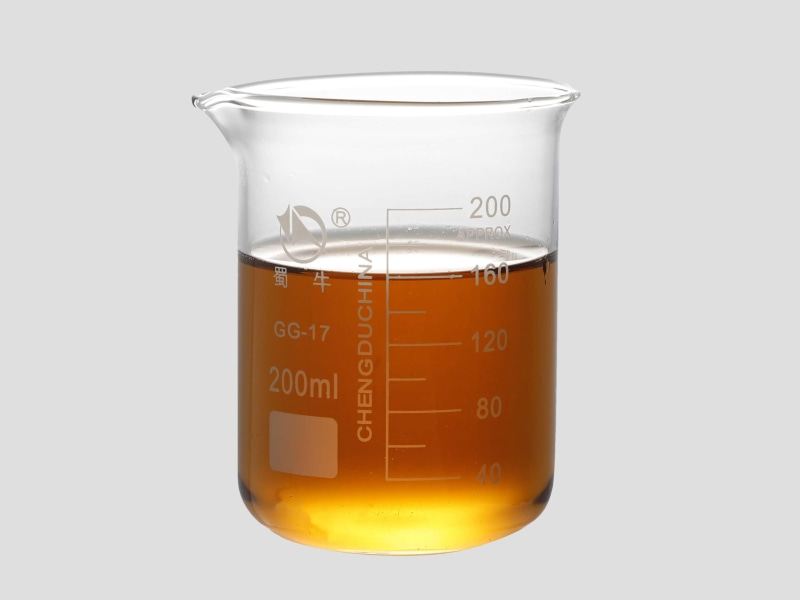
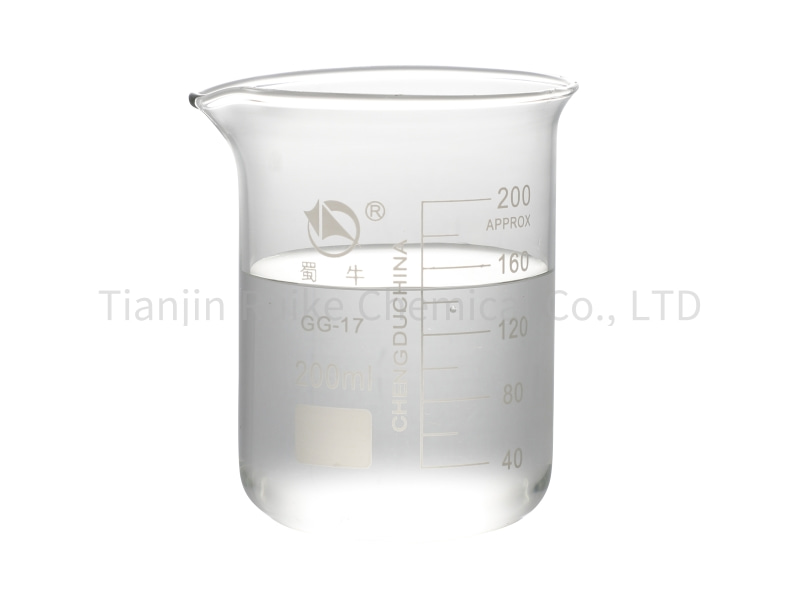
Appearance: Translucent liquid
Non-volatile Content (150℃, 20min): 40%
Density (20℃): 1.06g/ml}
Titanium Dioxide (TiO2): 4% - 10%
Inorganic Pigments: 5% - 30%
Organic Pigments: 50% - 100%
Carbon Black: 100% - 230%
Incorporation Guide: RD-9150 must be incorporated into the millbase prior to pigment addition
. For resin-containing millbases, pre-mix binder and water, add neutralizing amines (if applicable), and slowly incorporate RD-9150 before adding pigments .
Selecting a polyether-modified SMA dispersant like RD-9150 resolves the trade-off between alcohol-water system stability and film barrier performance
To explore our full portfolio of wetting agents, leveling additives, and defoamers for waterborne and UV systems, visit our technical platform at
Visit
Contact our laboratory team today to request a free evaluation sample of RD-9150 for your formulation


Ruike’ growing reputation in the industry is largely attributed to its commitment to provide a wide range of products and highly specialized service.
No.160-11,Xiangyuan Road,Jingjin Science and Technology Valley Inductrial Park,Wuqing District,Tianjin Province,China
jeffrey@rk-chem.com
+86 18526852692
 English
 English
 Russian
 French
 Spanish
 Portuguese
 Arabic