
Coating ink additive professional manufacturer
No.160-11,Xiangyuan Road,Jingjin Science and Technology Valley Inductrial Park,Wuqing District,Tianjin Province,China
jeffrey@rk-chem.com
+86 18526852692
In waterborne formulations—especially high-performance Pure Acrylic emulsions and 2K Waterborne Epoxy systems—foaming is a constant challenge for coating engineers. High-shear grinding, rapid mixing, and spray application easily trap air
Solving foam issues requires balancing defoaming power (destroying surface foam) with compatibility (avoiding surface defects like fish eyes or cratering)
This article walks through the chemistry of foam suppression during both the grinding and let-down/painting stages, helping you choose the ideal modified silicone defoamer for your system
Waterborne resins rely on surfactants and emulsifiers to remain stable in water
Grinding Phase: High-shear dispersing traps microbubbles deep within high-viscosity pigment pastes
Application Phase: Spraying (airless or compressed air), rolling, or brushing introduces macrofoam on the wet film surface
Viscosity Barriers: High-viscosity systems hinder macro-bubbles from rising to the surface, transforming them into persistent microbubbles
To break these bubbles without causing surface defects, formulators turn to organically modified silicone copolymers and silicone emulsions
When selecting a defoamer, matching its physical state and shear resistance to your formulation stage is essential
Factor | Grinding Stage (High Shear) | Let-down / Painting Stage (Low Shear) |
Primary Goal | Knock down microbubbles under high shear | Rapid surface macrofoam breakdown |
Required Active Content | High activity (100%), strong shear resistance | High compatibility, low cratering risk |
Defoamer Type | Compound with active silica particles | Modified silicone copolymer emulsion |
Tianjin Ruike Chemical Co., Ltd. offers three specialized silicone defoamers tailored for pure acrylic, styrene-acrylic, waterborne epoxy, and polyurethane systems
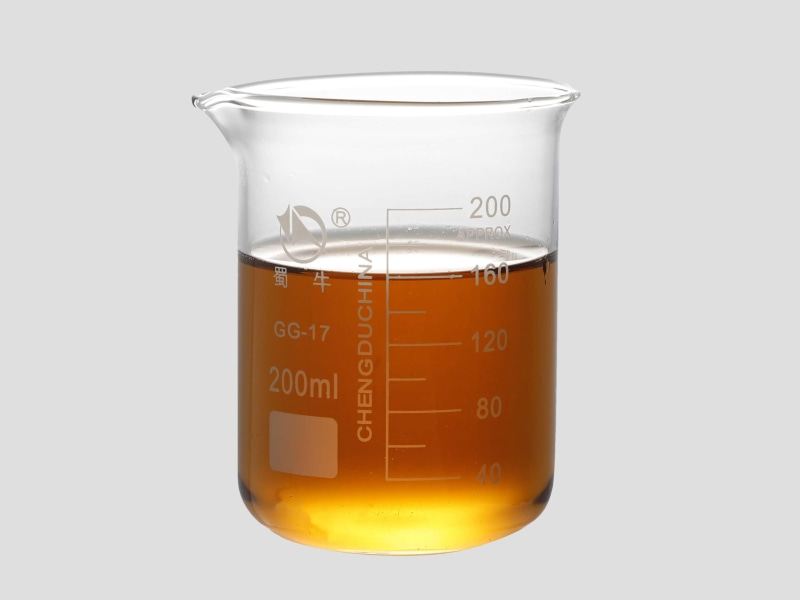
Designed specifically for heavy-duty foam suppression in pigment grinding and high-viscosity resins
Composition: 100% active polysiloxane-polyether copolymer containing specially structured active hydrophobic particles
Key Strengths: Excellent for waterborne paste grinding, building wall coatings, pure acrylics, and 2K epoxy
Recommended Dosage: 0.1%–0.5% on total formula
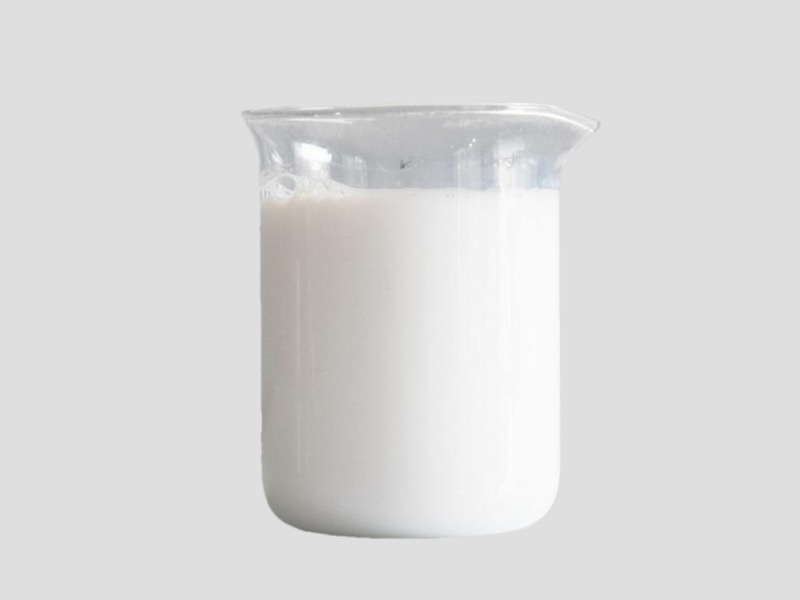
A versatile 50% solid milky white emulsion engineered for high-viscosity acrylics, styrene-acrylics, and PUDs
Key Strengths: Excels at microbubble elimination in viscous wood coatings, industrial paints, and printing inks
Recommended Dosage: 0.1%–0.5% on total formula (add during grinding or paint blending stage)
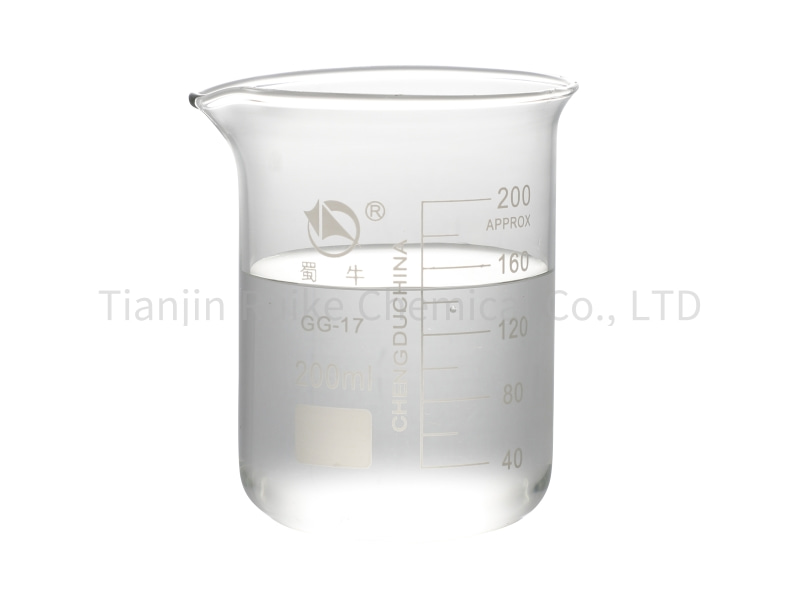
A thixotropic emulsion (30% active content) with defoaming particles, optimized for medium-to-low viscosity systems
Key Strengths: Simultaneously eliminates macrofoam and stubborn microbubbles
Recommended Dosage: 0.2%–0.5% on total formula
Product Name | Active Content | Chemistry / Type | Primary Application Stage | Target Benchmark |
Ruike RP-6296 | 100% | Polysiloxane-Polyether + Active Particles | Pigment Paste Grinding / High Shear | TEGO 901W |
Ruike RP-6299 | 50% | Modified Silicone Emulsion | Grinding & Let-down (High Viscosity) | Dow Corning DC65 |
Ruike RP-6994 | 30% | Silicone Copolymer + Defoaming Particles | Let-down / Spray & Roller Coating | BYK-024 |
Selecting the right silicone defoamer comes down to balancing shear force during production with surface appearance during application
To explore our full portfolio of wetting agents, leveling additives, and polymeric dispersants, visit our technical platform at
Visit
Contact our engineering team today to request a free laboratory sample for your waterborne acrylic or epoxy formulation


Ruike’ growing reputation in the industry is largely attributed to its commitment to provide a wide range of products and highly specialized service.
No.160-11,Xiangyuan Road,Jingjin Science and Technology Valley Inductrial Park,Wuqing District,Tianjin Province,China
jeffrey@rk-chem.com
+86 18526852692
 English
 English
 Russian
 French
 Spanish
 Portuguese
 Arabic